HOME / Blog / Muffle Furnace: What It Is, What It’s Used For, and How to Choose the Ideal One for Your Laboratory
Muffle Furnace: What It Is, What It’s Used For, and How to Choose the Ideal One for Your Laboratory
10 | 04 | 2026
The muffle furnace is one of the most important pieces of equipment for thermal analyses in scientific, industrial, and academic laboratories. Designed to operate at high temperatures with excellent thermal stability, this type of equipment is widely used in procedures that require controlled and precise heating.
In various areas of science and industry, processes such as calcination, ash analysis, heat treatment, and gravimetric analysis depend directly on the reliability of a laboratory muffle furnace. Temperature precision and thermal uniformity are determining factors in ensuring reliable analytical results.
Additionally, the laboratory muffle plays a fundamental role in sectors such as industrial quality control, scientific research, metallurgy, the food industry, and environmental analyses. These instruments are designed to withstand elevated temperatures with safety and operational stability.
In this article, you will understand what a muffle furnace is, what it’s used for, how it works, and which criteria to consider when choosing the ideal model for your laboratory. We will also present the main applications of this equipment and the characteristics that make it an indispensable instrument for thermal analyses.
What Is a Muffle Furnace
The muffle furnace is a laboratory instrument designed to perform heating at high temperatures, typically ranging from 400°C to 1,400°C, depending on the model and application.
The term “muffle” refers to the internal refractory chamber where samples are positioned for heating. This chamber is constructed with materials capable of withstanding extreme temperatures without suffering deformation or loss of thermal properties.
Unlike other types of laboratory furnaces, the laboratory muffle furnace has a design that isolates the sample from combustion elements. Heating typically occurs through electric heating elements distributed around the chamber.
This configuration allows for uniform and controlled heating, making the equipment ideal for analytical processes that require thermal precision and temperature stability.
Among the main heating equipment used in laboratories, the muffle furnace stands out precisely for its ability to reach high temperatures with precise control, something essential for various laboratory analyses.
What Is a Muffle Furnace Used For
The laboratory muffle furnace is used in a wide variety of scientific and industrial applications involving intense heating of materials.
The main applications include:
Calcination of solid materials
Ash analysis in foods and industrial products
Heat treatment of materials
Gravimetric analyses in analytical chemistry
Metallurgical processes
Testing of ceramic materials
Scientific research in universities and research centers
A classic example is the use of the muffle furnace for ash analysis, a very common procedure in quality control laboratories in the food industry.
In this type of analysis, the sample is subjected to high temperatures until all organic matter is eliminated, leaving only the mineral content. This residue allows determination of the mineral composition present in the analyzed material.
The muffle furnace for calcination is used to transform chemical compounds through intense heating, promoting important thermal reactions in various laboratory processes.
How a Muffle Furnace Works
The operation of a high-temperature furnace such as the muffle furnace is based on heat generation by electric heating elements and the maintenance of a stable thermal atmosphere inside the chamber.
To ensure efficiency and precision, various components work in an integrated manner.
Electric Heating Elements
The electric heating elements are responsible for generating heat inside the equipment. They are typically manufactured with special metal alloys capable of withstanding high temperatures and repetitive thermal cycles.
These heating elements are positioned around the heating chamber, allowing heat to be distributed uniformly.
Refractory Chamber
The refractory chamber is the internal area of the muffle furnace where samples are placed. It is constructed with special ceramic materials that withstand elevated temperatures without suffering degradation.
These materials also help maintain thermal stability during the heating process.
Thermal Insulation
Thermal insulation is essential to reduce heat loss and increase the equipment’s energy efficiency. Layers of insulating materials prevent the heat generated by the heating elements from dissipating to the external environment.
This also contributes to greater operational safety.
Electronic Temperature Control
Modern muffle furnaces have digital electronic controllers capable of maintaining the programmed temperature with high precision.
These controllers use temperature sensors, such as thermocouples, to continuously monitor the internal conditions of the equipment.
Thermal Uniformity
Thermal uniformity is one of the most important factors in laboratory analyses. A good laboratory muffle furnace ensures that the entire chamber reaches homogeneous temperatures.
This ensures that all samples receive the same thermal treatment, avoiding analytical errors.
Main Applications of the Muffle Furnace in the Laboratory
The use of laboratory muffle is present in various scientific and industrial areas.
Food Industry
In the food industry, the muffle furnace is widely used in determining the ash content in food products. This analysis allows identification of the mineral content present in foods.
Environmental Analyses
Environmental laboratories use the muffle furnace for analysis of solid waste, soils, and sediments. These processes help determine the presence of minerals and contaminants.
Research Laboratories
In universities and research centers, the equipment is used in chemistry, materials science, and engineering experiments.
These studies frequently require heating at elevated and controlled temperatures.
Metallurgy
In metallurgy, the muffle furnace is used for heat treatments, metallic composition studies, and sample preparation.
Industrial Quality Control
Companies that perform quality control on raw materials and finished products use the muffle furnace for various thermal and gravimetric analyses.
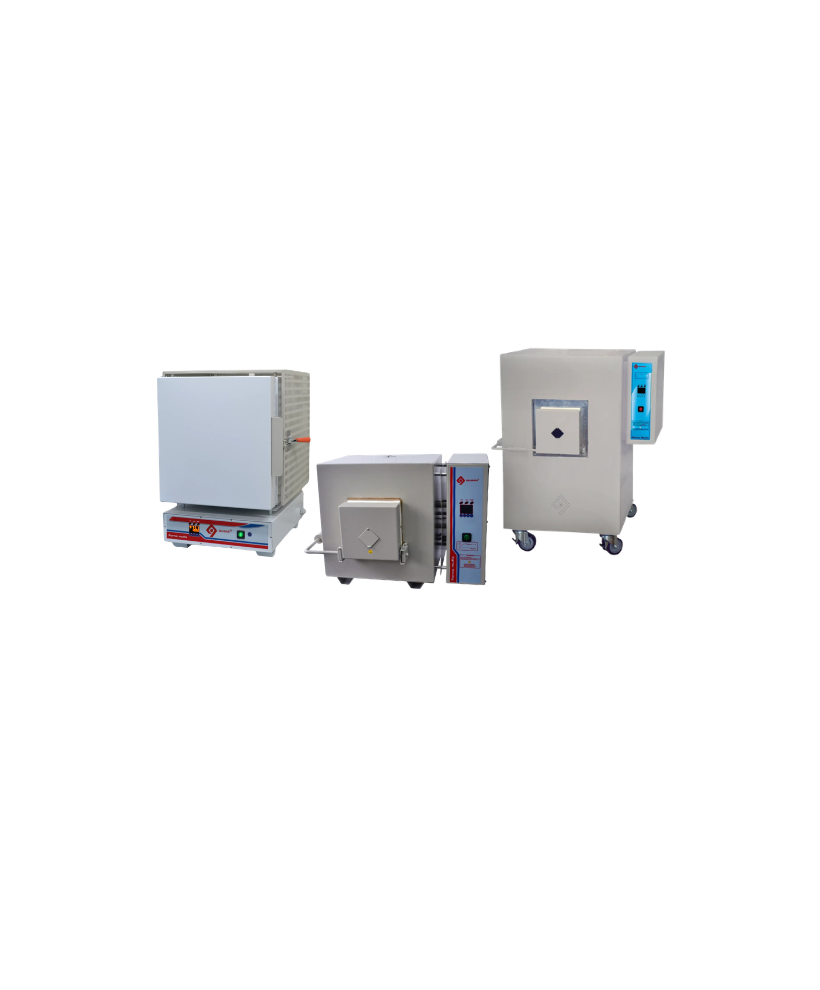
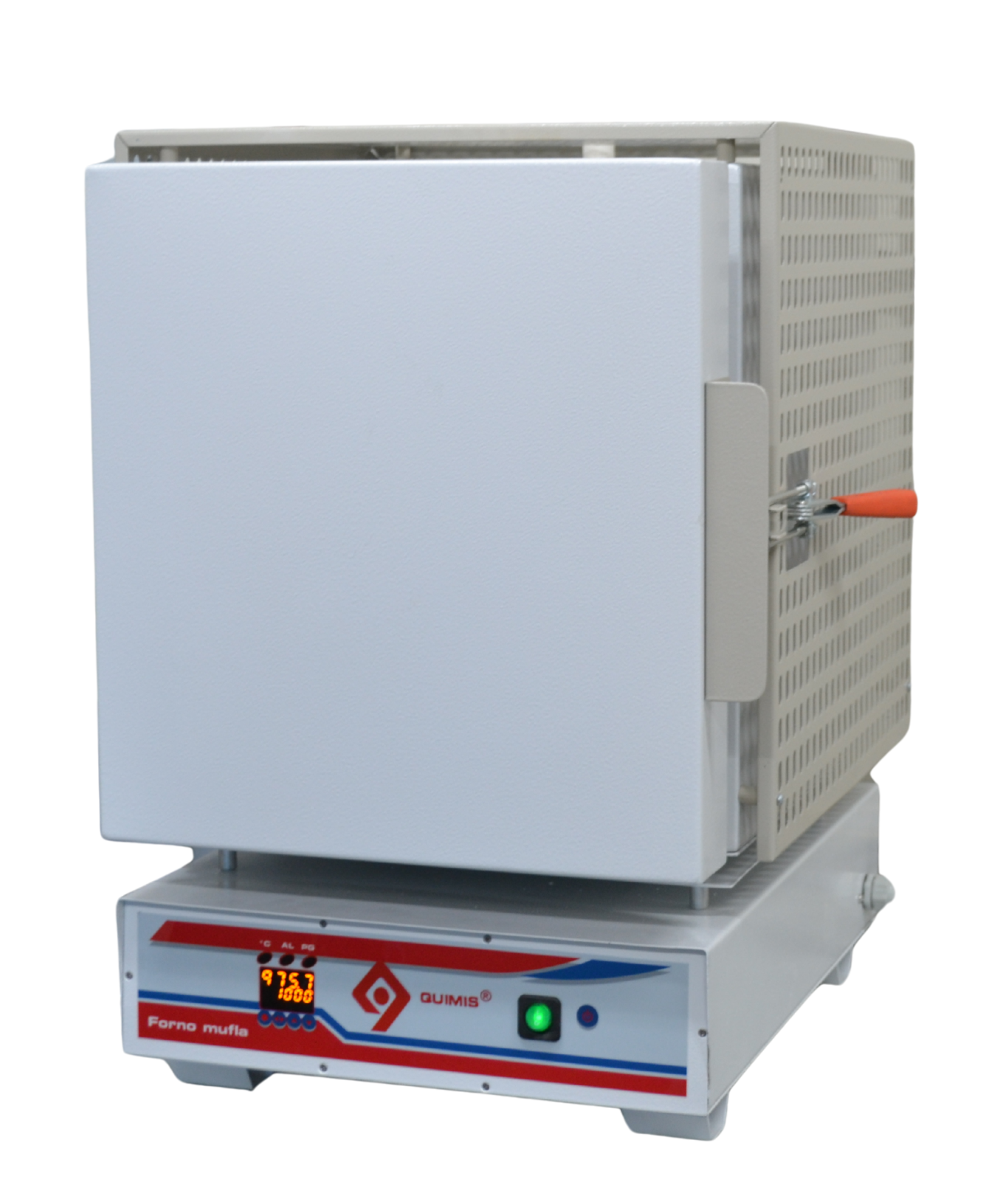
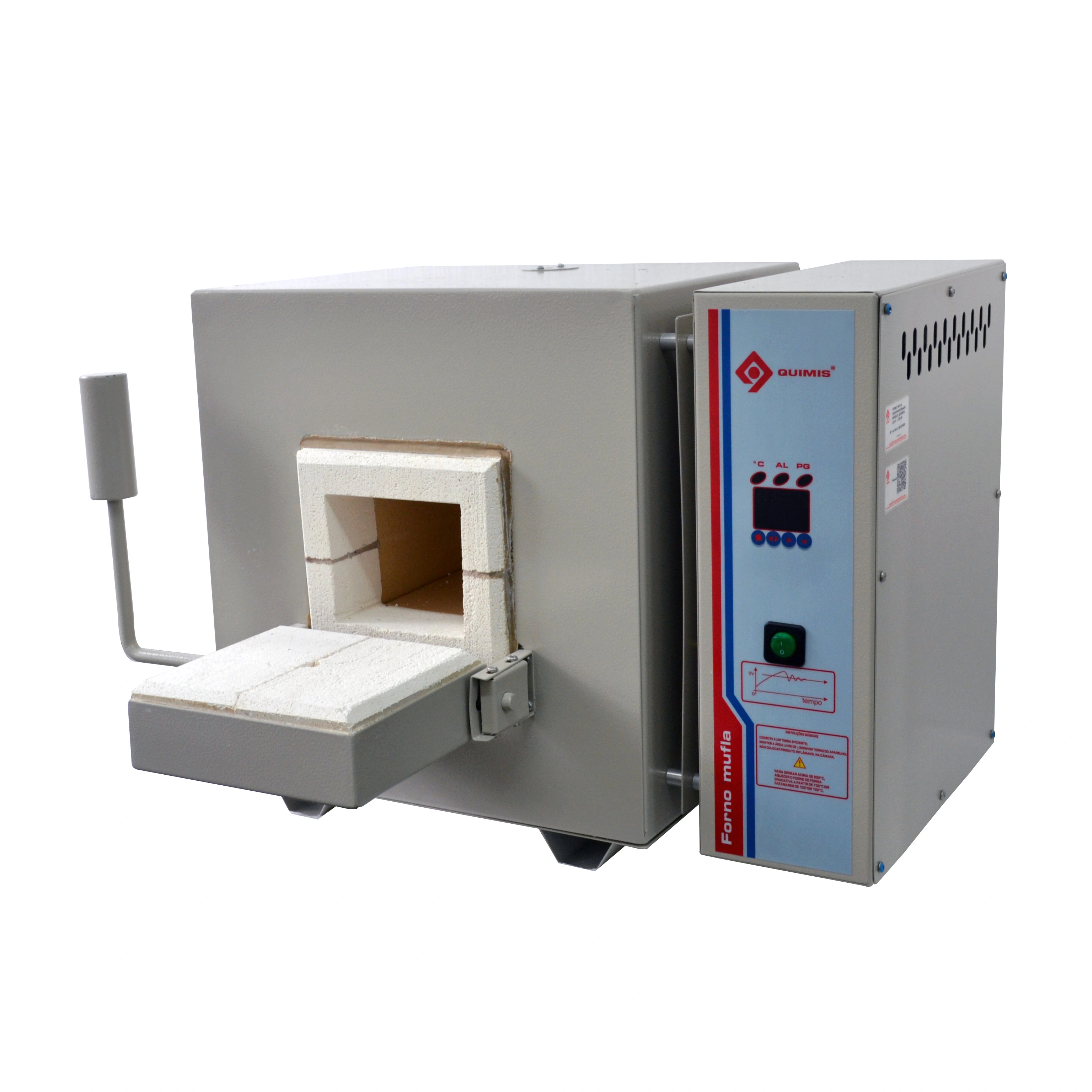
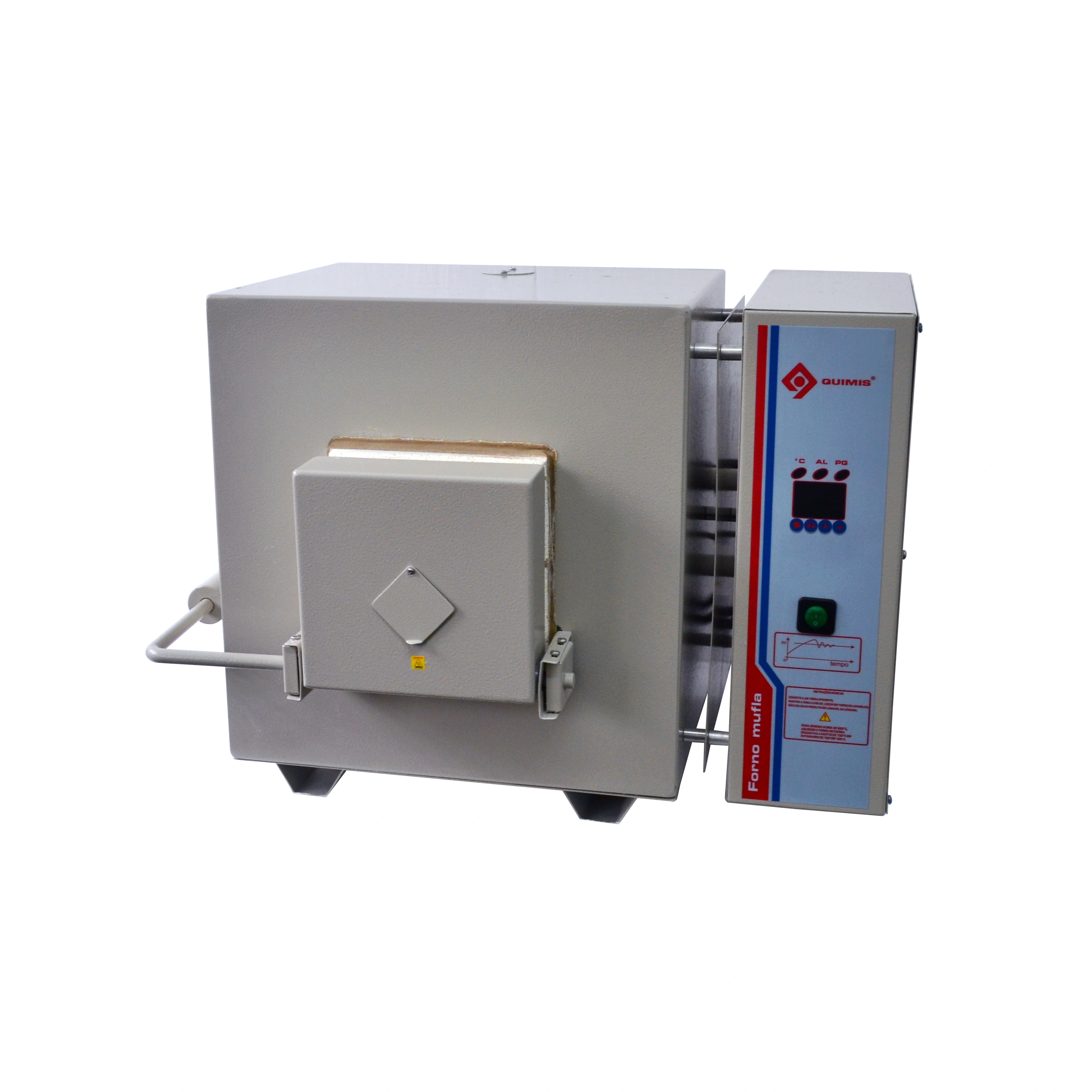
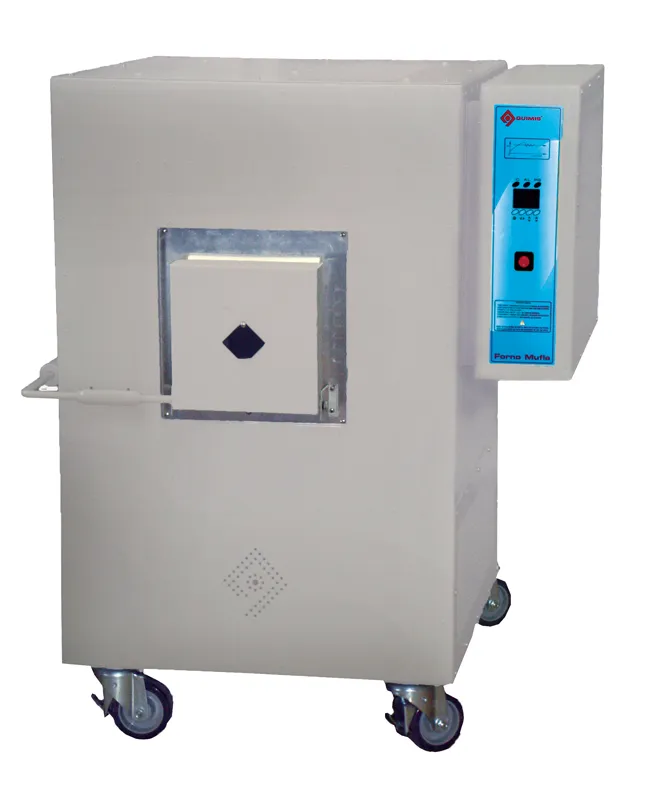
Quimis Muffle Furnaces
The Quimis muffle furnaces are designed to meet the requirements of laboratories that need precision, reliability, and safety in thermal analyses.
Allows programming of temperature ramps and plateaus
Main Advantages of Quimis Furnaces
Quimis laboratory furnaces are developed to offer high thermal performance, operational safety, and maximum energy efficiency.
Designed to meet intensive laboratory routines and industrial applications, they stand out for their robust construction and heating uniformity.
Sealed Internal Chamber Without Exposed Heating Elements
The fully sealed internal chamber prevents exposure of the heating elements, significantly increasing operator safety and protecting the heating components from external agents.
This design directly contributes to longer equipment life and reduced maintenance requirements.
Uniform Heating
The heating element system distributed on the top, bottom, and sides of the chamber ensures uniform heating throughout the interior of the furnace. This provides greater thermal stability.
High Heating Power with Optimized Performance
Each Quimis furnace model features heating elements specifically sized for its capacity, ensuring rapid temperature rise, energy efficiency, and maximum performance in different applications.
High-Efficiency Thermal Insulation
The structure with reinforced thermal insulation significantly reduces heat loss, improves internal temperature stability, and increases workplace safety, while also contributing to energy savings.
Robust Construction for Intensive Use
Developed with high mechanical resistance materials, Quimis furnaces are designed to withstand continuous and demanding routines, ensuring durability and long service life even in severe industrial and laboratory environments.
Electrical Safety and Reliable Operation
Equipped with integrated electrical protection systems, the furnaces offer greater operational safety, preventing overloads and ensuring
stable and reliable operation during continuous use.
Additional Advantages of Quimis Furnaces
Precise temperature control: ensures greater repeatability and reliability in processes.
Low maintenance requirements: reduces operational costs and downtime.
Energy efficiency: optimization of energy consumption thanks to insulation and thermal control.
Application versatility: ideal for drying, heat treatments, and various laboratory tests.
Quimis furnaces combine precision engineering, safety, and efficiency, making them a complete solution for laboratories and industries that require reliable thermal performance.
These characteristics make the Quimis muffle furnaces a reliable solution for laboratories that perform thermal analyses in different scientific and industrial areas.
How to Choose the Ideal Muffle Furnace
Choosing the ideal laboratory muffle furnace requires evaluating various technical criteria related to the application’s needs.
Maximum Temperature
The equipment’s maximum temperature must be compatible with the type of analysis to be performed. Some processes require temperatures above 1,000°C.
Chamber Volume
The internal volume determines the quantity of samples that can be processed simultaneously.
Laboratories with high analytical demand may need equipment with larger chambers.
Controller Type
Programmable digital controllers allow greater precision and flexibility in executing thermal cycles.
Energy Consumption
Equipment with good thermal insulation presents lower energy consumption and greater efficiency.
Laboratory Application
Each application may require specific characteristics, such as programmable heating ramps or precise thermal stability control.
Care and Best Practices in Using the Muffle Furnace
Correct use of the laboratory muffle furnace is essential to ensure safety and reliable analytical results.
The main best practices include:
Use personal protective equipment
Properly prepare samples
Avoid overloading the chamber
Perform periodic preventive maintenance
Follow the manufacturer’s recommendations
Additionally, it is essential to allow the equipment to cool properly after intense heating cycles.
Advantages of Using a Muffle Furnace in the Laboratory
The use of a laboratory muffle furnace offers various advantages for scientific and industrial analyses.
High precision in temperature control
Ability to operate at elevated temperatures
Thermal uniformity inside the chamber
Versatility of laboratory applications
Reliable analytical results
Operational safety
These characteristics make the muffle furnace an essential piece of equipment for laboratories that perform thermal analyses.
Frequently Asked Questions About Muffle Furnaces (FAQ)
What Is the Maximum Temperature of a Muffle Furnace?
The maximum temperature depends on the equipment model. Many laboratory muffle furnaces operate between 1,000°C and 1,200°C, while specialized models can reach even higher temperatures.
What Is Ash Analysis in a Muffle Used For?
Ash analysis is used to determine the mineral content present in a sample. Heating eliminates organic matter and leaves only mineral residues.
What Is the Difference Between an Oven and a Muffle Furnace?
A laboratory oven operates at lower temperatures, generally up to approximately 300°C. The muffle furnace is designed to operate at much higher temperatures, above 800°C.
How Long Does an Analysis in a Muffle Take?
The time depends on the type of analysis and the material being studied. Some ash analyses, for example, can take between 2 and 6 hours.
How to Choose a Muffle for the Laboratory?
The choice should consider factors such as maximum temperature, chamber volume, controller type, energy efficiency, and type of analytical application.
Conclusion
The muffle furnace is a fundamental piece of equipment for laboratories that perform thermal analyses, calcination processes, and ash determinations. Its ability to operate at high temperatures with precision makes this equipment indispensable in various scientific and industrial areas.
In addition to ensuring reliable analytical results, the laboratory muffle allows execution of essential procedures for quality control, scientific research, and technological development.
By choosing reliable and technically robust equipment, laboratories ensure greater precision in results and greater operational safety.
To learn about solutions developed specifically for laboratory applications, it is worth exploring the Quimis muffle furnaces, designed to offer performance, thermal stability, and reliability in scientific analyses.

DEIXE SEU COMENTÁRIO